Oct 6, 2026
How Often Should You Empty a Septic Tank?
How often should you empty a septic tank? The wastewater specialists at Universal Tankers also explain the signs your tank needs emptying. Learn more.
Welcome to the Universal Tankers Blog, your hub for news, insights, and industry updates. Whether you're an industry pro or just curious, our blog provides valuable perspectives, expert commentary, and allows you to stay up to date with all things Universal.
How often should you empty a septic tank? The wastewater specialists at Universal Tankers also explain the signs your tank needs emptying. Learn more.
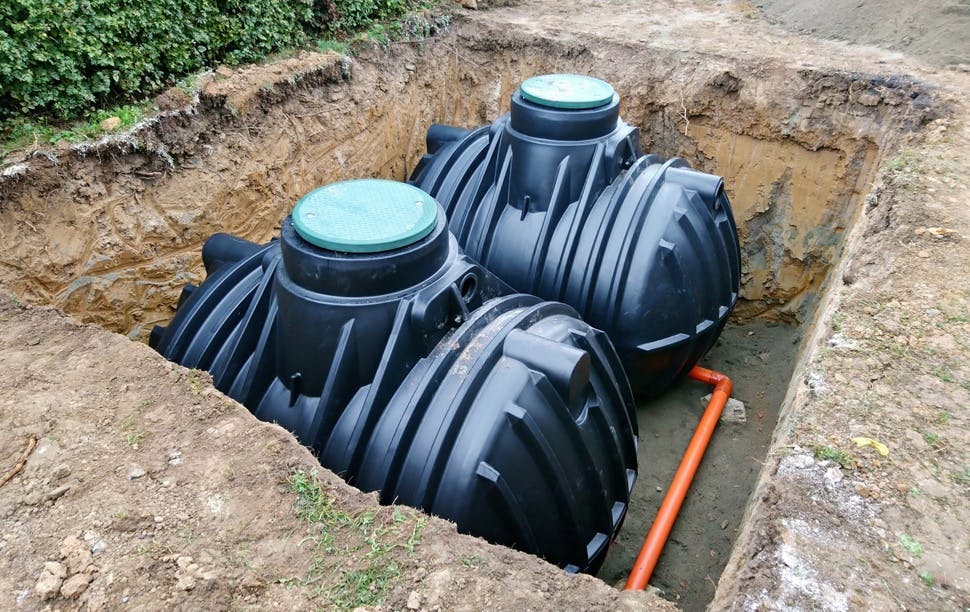
A septic system is an underground wastewater treatment structure that consists of two main components: the tank itself and the drain field. Wastewater from household plumbing (such as toilets, showers, and sinks) flows into the septic tank, where solids settle to the bottom to form sludge, and oils and grease float to the top to form scum.

Neglecting your house or business' septic tank can lead to costly repairs, unpleasant odours, and potential health hazards. In this blog we will explore the dos & don'ts of septic tank care.

What does a bad septic tank smell like? Find out how to identify septic tank problems, use the location of odours to identify issues and then rectify them.

Universal Tankers explains how to prevent septic tank problems in cold weather and how to identify if your septic system has issues. Find out more.

Why does your septic tank smell when it rains? Universal Tankers explains the causes, warning signs and when emptying or inspection may be needed.

Can a full septic tank make your house smell? Discover the causes of odours, warning signs of a full tank, and how regular emptying prevents disruption.

Noticing a septic tank smell in winter is a common concern for properties that rely on private drainage rather than a mains sewer connection. Colder weather often makes existing issues more noticeable, and odours that might be less apparent at other times of the year can become harder to ignore. While unpleasant, these smells are also a practical warning sign that a septic system may not be operating as it should.

Is your septic tank full of water when it rains, leading to problems such as flooding or unpleasant odours on site? This guide explains the common reasons septic tanks overflow, the steps that can be taken to resolve the issue, and the preventative measures that reduce the risk of it happening again. It also outlines the regulatory requirements around sewage contamination, highlighting why compliance is necessary to protect both the environment and public water sources.

Stay up to date with all things Universal by subscribing to our newsletter
